
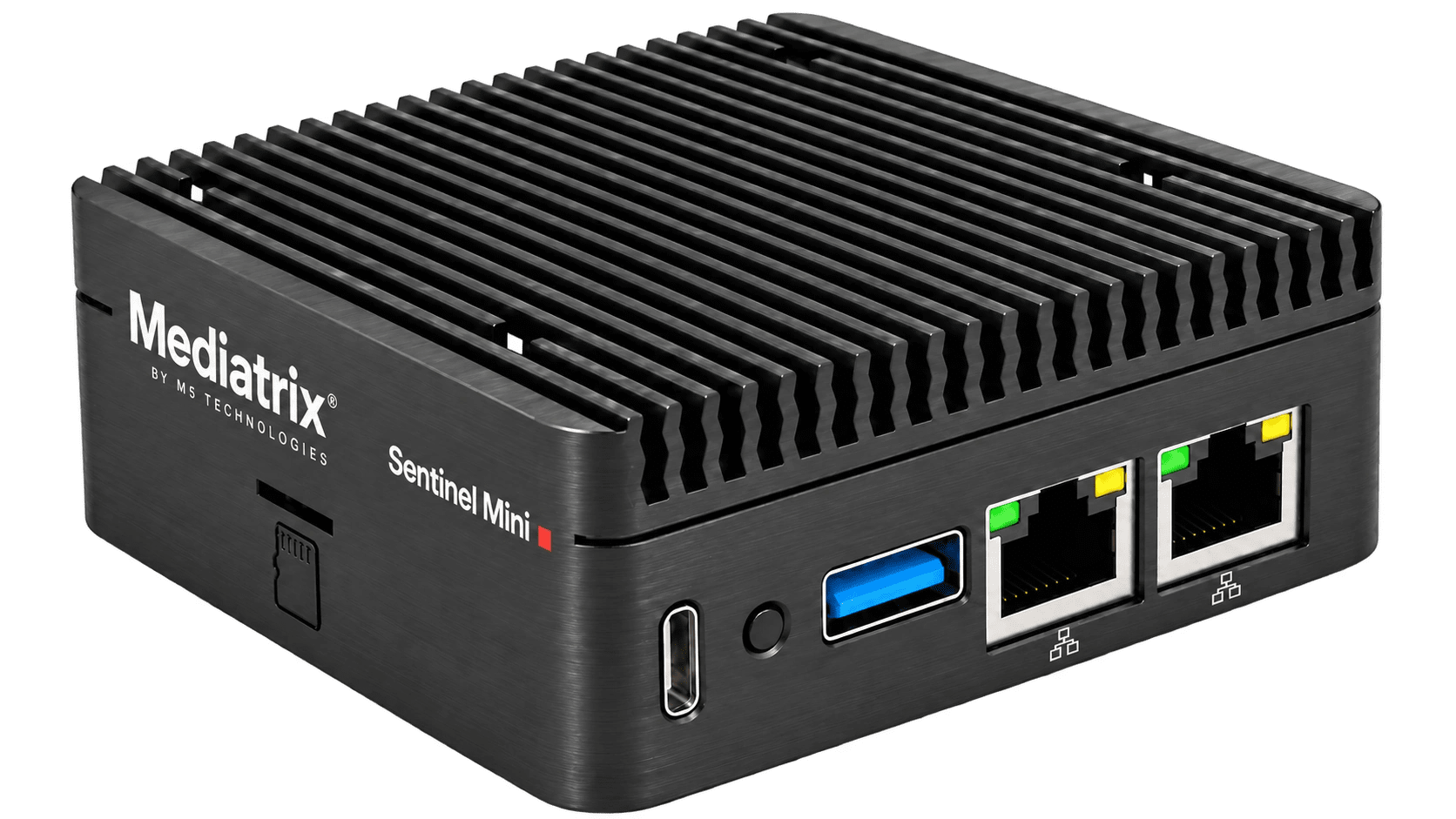
Sentinel Mini SBC
A compact SBC for a branch or a dedicated SIP edge.
- Selection criterion
- Required sessions, network ports, power supply and license.
Support controlled voice interconnection and legacy modernization in aviation operational environments.
A starting point for your project. Review the model data sheet before ordering.
A compact SBC for a branch or a dedicated SIP edge.
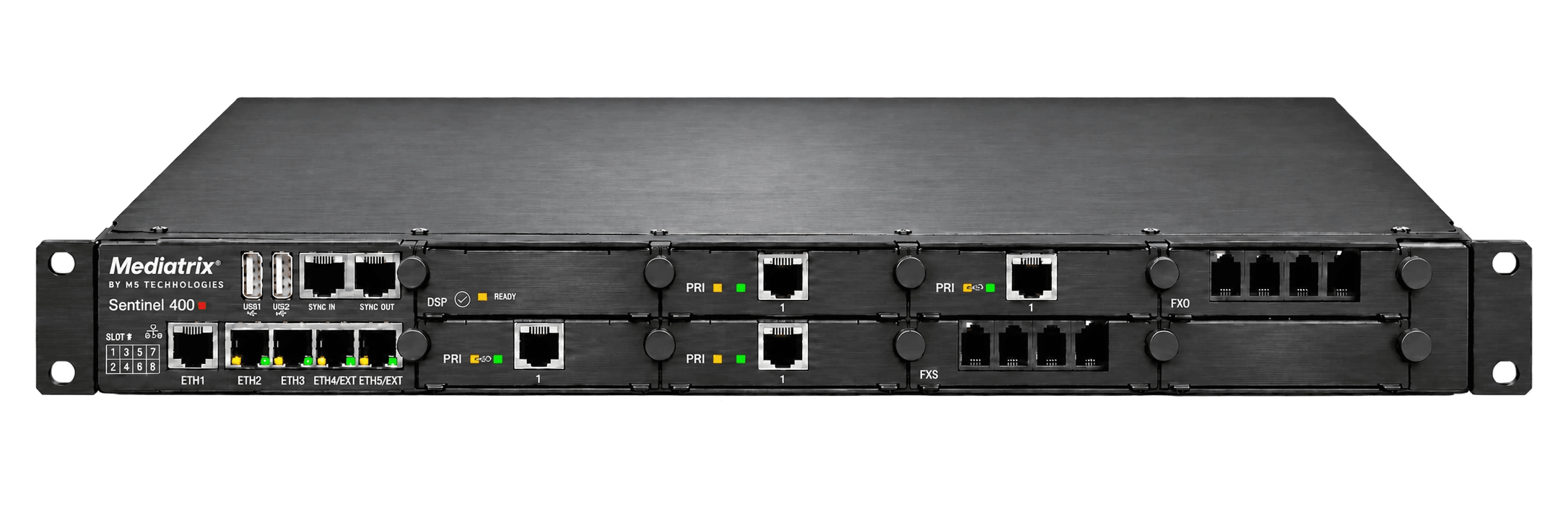
A modular voice edge for sites with mixed telephony interfaces.
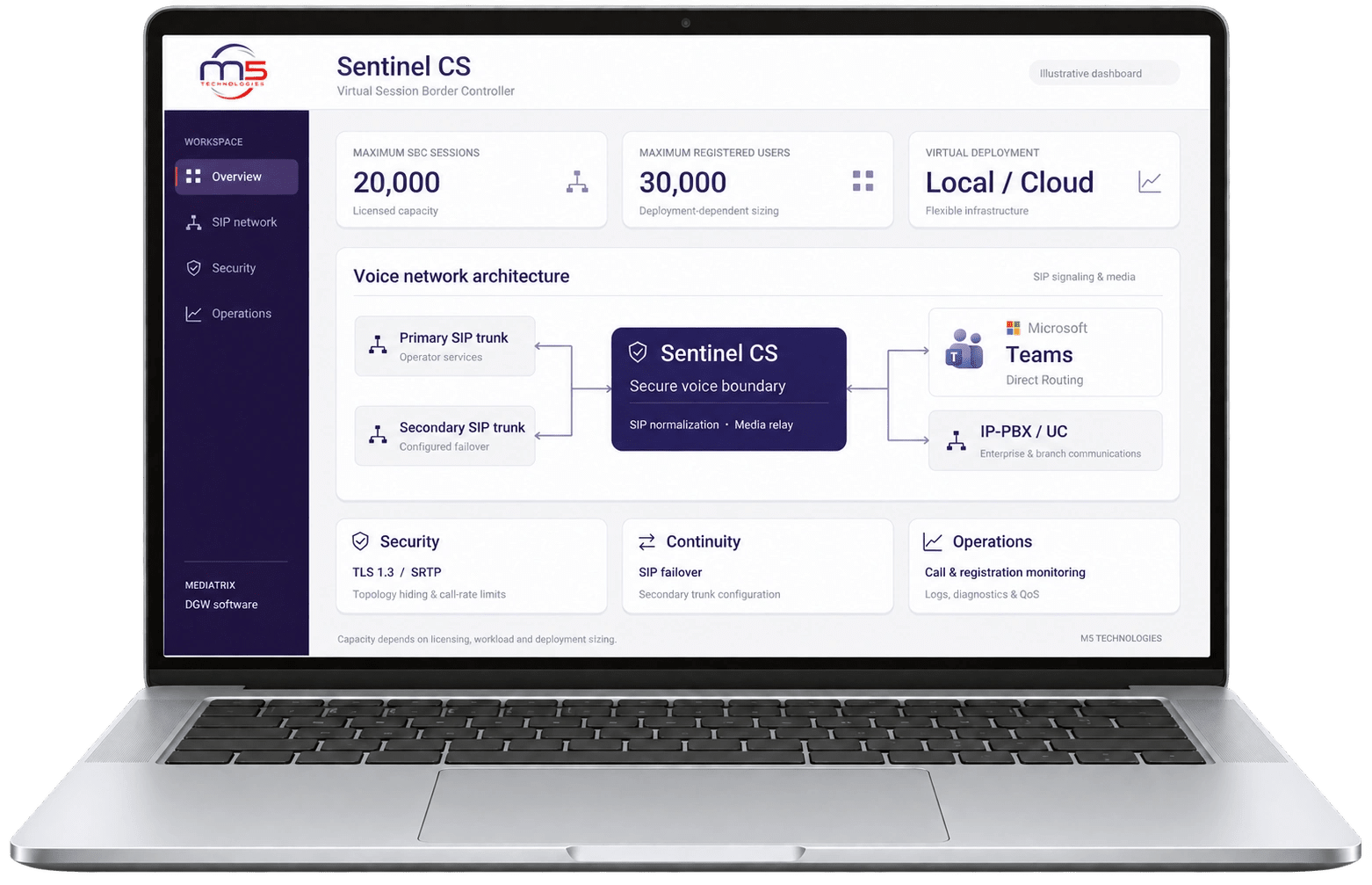
An SBC deployed on your virtual infrastructure.
Every device and service is part of a live operating workflow. The diagram makes the translation point, trust boundary and acceptance target visible.
Local phones, a local IP PBX, Mediatrix gateways and Sentinel can exchange SIP calls entirely inside the organization. The voice path can remain on a private LAN, VLAN, campus network or isolated operational network.
An external connection is used only when calls must reach public numbers, remote sites or hosted services. If the required call path is entirely local, the system can stay on the private network.
Local users and systems require an explicit primary call path.
Operational communications need their own priority, security and recovery rules.
Legacy or safety endpoints remain isolated until compatibility is proven.
Sentinel, Mediatrix and DGW controls are selected around the actual communications dependency.
Central call control, Teams or management services connect through a protected route.
External reachability includes a tested alternate path where continuity requires it.
Use-case model — field validation remains mandatory for endpoints, carriers and safety-related workflows.
A air traffic control communications design should answer each question before rollout, not after the first incident.
Safety, emergency, alarm and regulated services require approval from the responsible authority and service provider for the actual deployment.| Validation layer | Question to answer | Evidence to collect | Owner |
|---|---|---|---|
| Endpoint | Does the real device behave correctly over the new path? | Dialing, media and feature test | Customer / integrator |
| Network | Are latency, jitter, NAT and QoS controlled? | Capture and quality baseline | Network team |
| Service | Does the carrier support the required call or data behavior? | Carrier-accepted test result | Carrier / service owner |
| Failure | What happens during power, WAN or platform loss? | Failover and recovery test | Operations |
| Lifecycle | Who owns updates, certificates, backups and escalation? | Approved runbook and entitlement | Service owner |
Share the product, deployment and target outcome. M5 will identify the right technical and commercial path.