Skip to content
100% Canadian-designed communications · Since 1992
+1 819 829 874924/7 worldwide support
Industry

Telecom Operators & MSPs

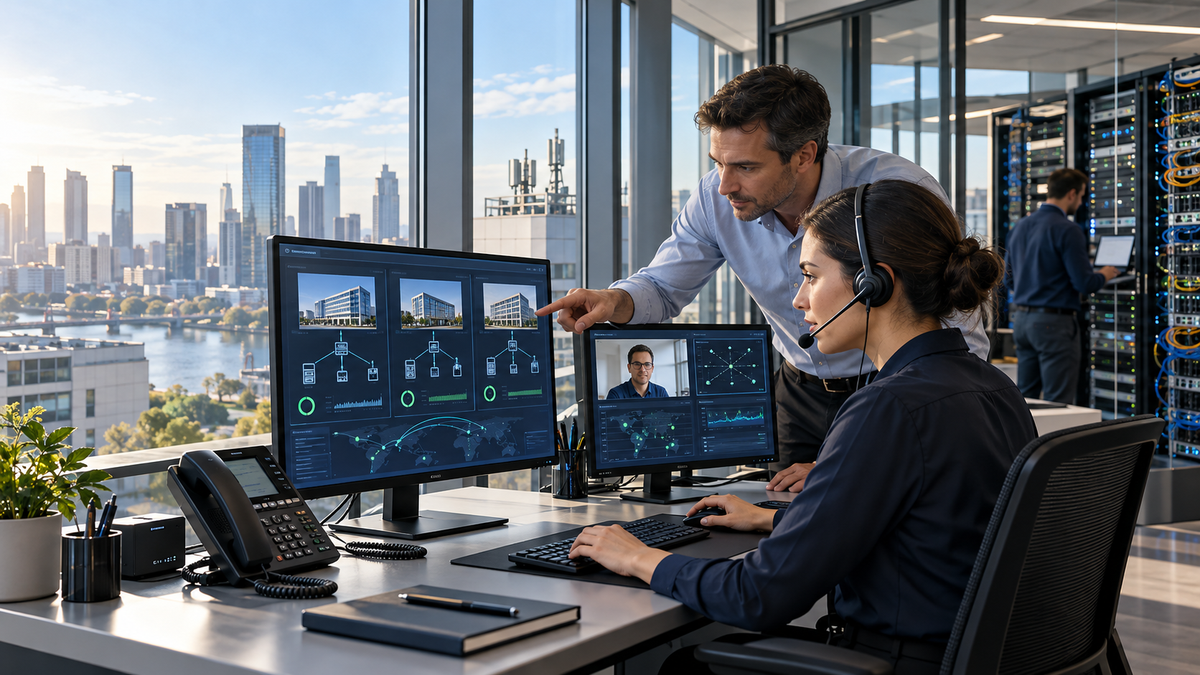
Deploy scalable SBC, gateway and embedded voice services for operators, carriers and managed service providers.
Telecom Operators & MSPs
CHOOSE A PRODUCT

Products to compare

A starting point for your project. Review the model data sheet before ordering.

SECTOR ARCHITECTURE

A voice design shaped for telecom operators & msps.

Office telephony, operational communications and field devices have different consequences when they fail. They should not share an undocumented migration assumption.

NO PUBLIC INTERNET REQUIRED

Private LAN / isolated IP network

Local phones, a local IP PBX, Mediatrix gateways and Sentinel can exchange SIP calls entirely inside the organization. The voice path can remain on a private LAN, VLAN, campus network or isolated operational network.

OPTIONAL FOR EXTERNAL SERVICES

SIP carrier, PSTN, Teams or cloud

An external connection is used only when calls must reach public numbers, remote sites or hosted services. If the required call path is entirely local, the system can stay on the private network.

LOCAL / ISOLATED OPERATIONAL NETWORK

Carrier core

Local users and systems require an explicit primary call path.

Hosted platforms

Operational communications need their own priority, security and recovery rules.

Customer edge

Legacy or safety endpoints remain isolated until compatibility is proven.

PRIVATE OPERATIONAL IP NETWORKLocal SIP signaling + RTP media
INTERNAL
SECURE + SURVIVABLE

Telecom Operators & MSPs protected voice core

Sentinel, Mediatrix and DGW controls are selected around the actual communications dependency.

Site-local continuityApproved phones, gateways and call control can stay inside the site network. Internet is not inherently required for internal communications.
CONTROLLED EXTERNAL ROUTES

Cloud / central services

Central call control, Teams or management services connect through a protected route.

Carrier / public network

External reachability includes a tested alternate path where continuity requires it.

Use only when the mission requires remote sites, hosted services or public telephone reachability.
READING THE DIAGRAM

What must remain available in telecom operators & msps

Carrier core
The physical location, users and local equipment that depend on voice during normal operations.
Hosted platforms
The operational workflow—not just the telephone—that defines priority and recovery time.
Sentinel SBC
Secures and normalizes SIP between voice domains, controls media and routing, and hides the internal network.
Mediatrix gateway
Converts analog or digital voice interfaces into SIP/IP while preserving validated legacy equipment.

Sector reference model — site policy, regulation and operational authority determine the final controls.

REQUIREMENTS MATRIX

Separate ordinary voice from operationally critical voice.

The telecom operators & msps architecture should classify each service by consequence, dependency and recovery requirement.

Classification should be approved by the organization responsible for safety, compliance and service continuity—not inferred from the endpoint type alone.
Service classTypical examplesDesign priorityProof before production
Enterprise voiceUsers, reception, collaborationSecure connectivity and user experiencePlatform and carrier call tests
Facility voiceIntercoms, elevators, access pointsEndpoint compatibility and local powerDevice-level acceptance test
Operational voiceDispatch, control room, field operationsResilience, priority and clear ownershipFailure-mode exercise
Emergency servicesEmergency phones and call routingLocation, reachability and supervisionApproved end-to-end procedure
LifecycleCertificates, firmware, spares, supportRepeatable governance across sitesRunbook and entitlement review
FREQUENTLY ASKED

What to know before the next step.

READY FOR THE NEXT STEP?

Build the right voice architecture.

Share the product, deployment and target outcome. M5 will identify the right technical and commercial path.

Request a free review
PRODUCTS→ PRODUCTS

Sentinel SBC

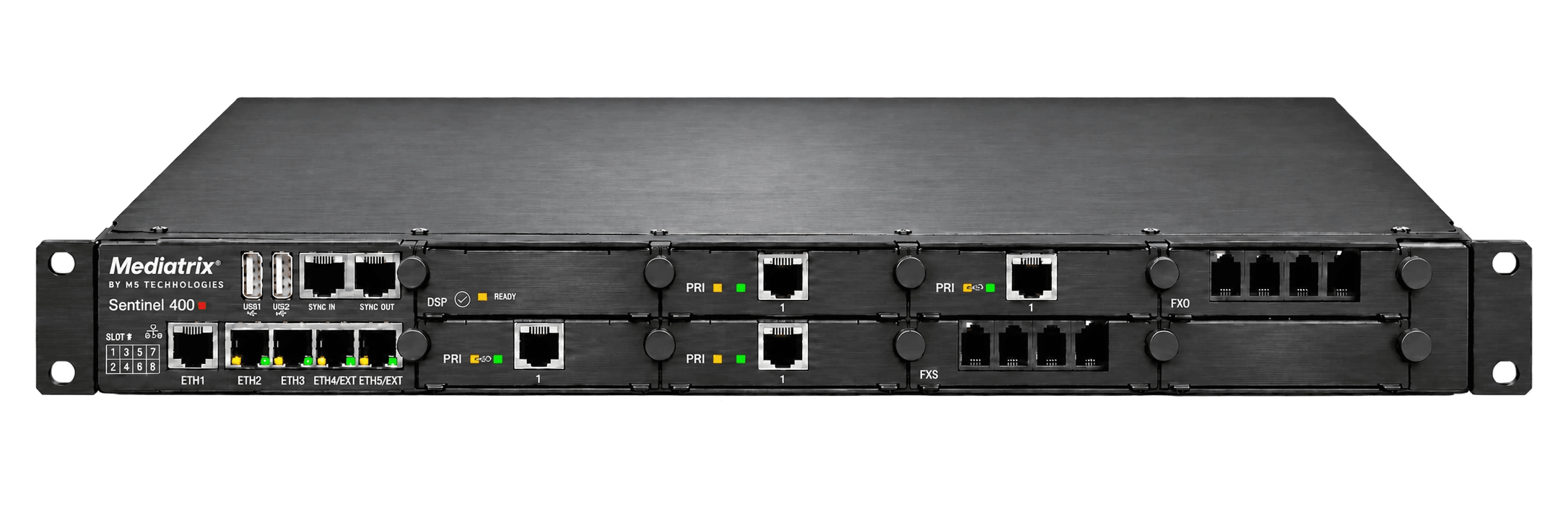
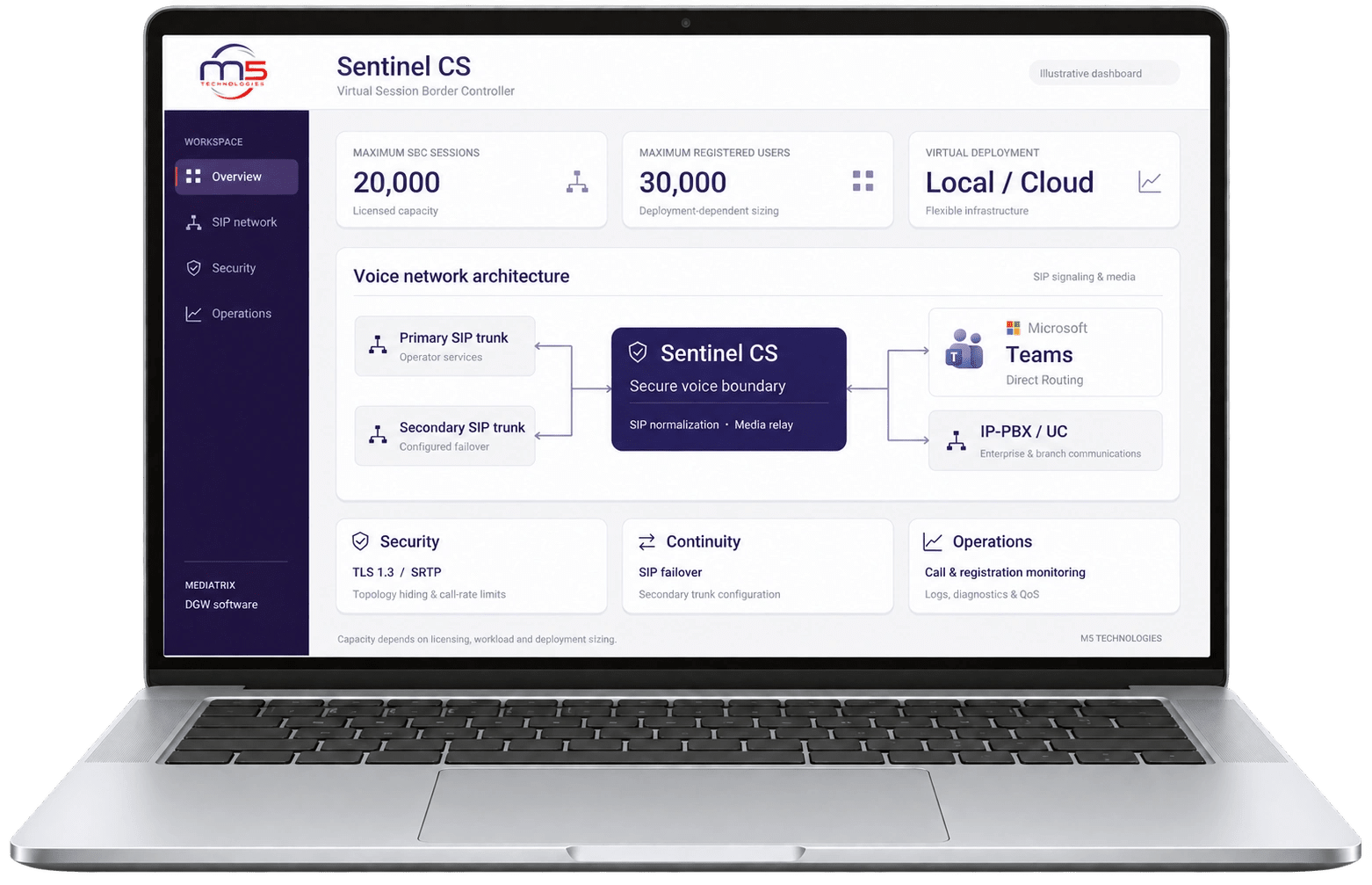
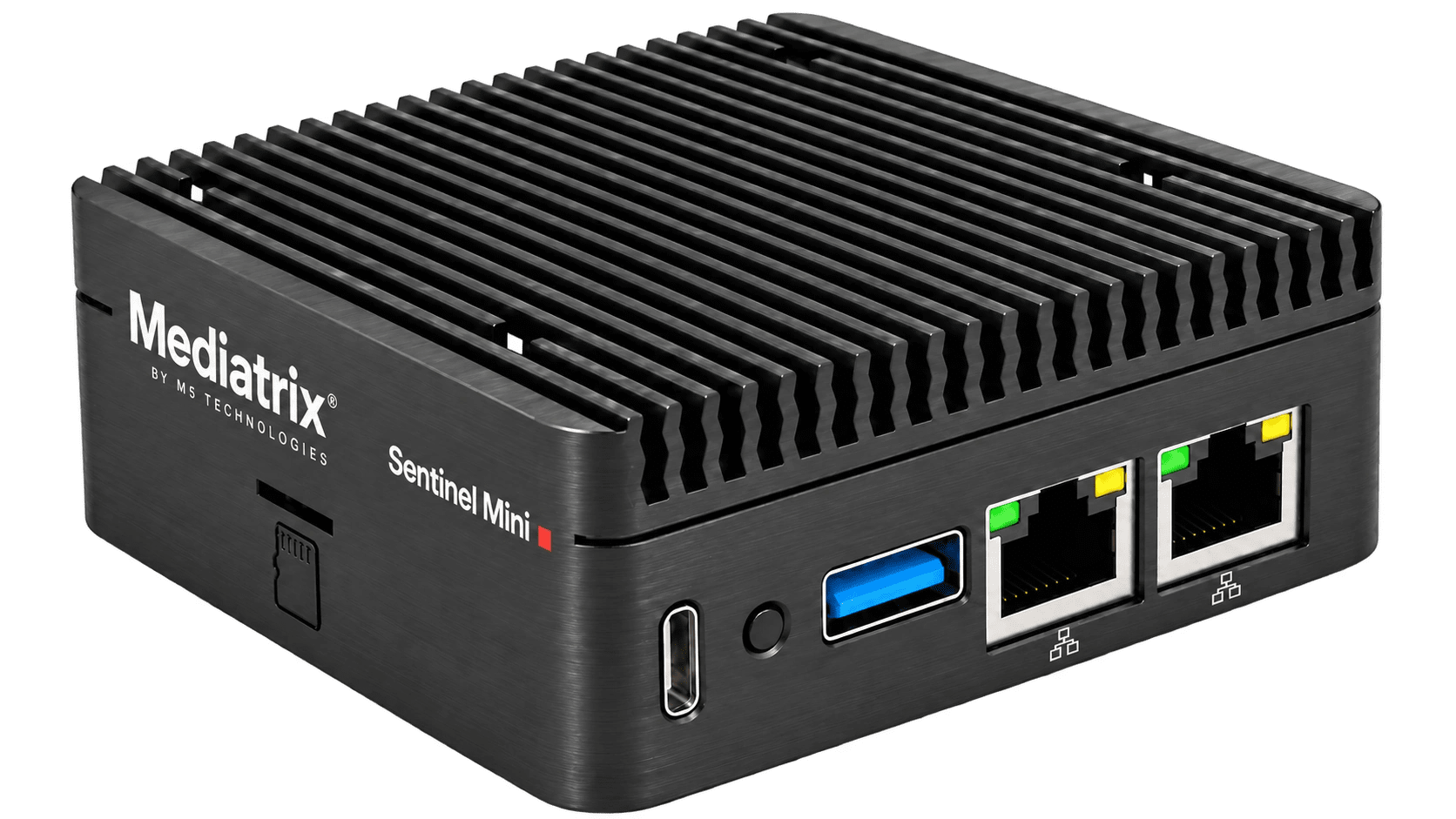
Sentinel SBC SeriesSentinel Mini SBCSentinel 100 SBCSentinel 400 SBC & GatewaySentinel CS Virtual SBC

Gateways & ATA

Mediatrix 4102 / 4102SMediatrix C7 SeriesMediatrix G7 SeriesMediatrix S7 / S7 LPAudiotrix C2, C4 & C8

Software & OEM

DGW SoftwareM5T SIP Client Engine SDKM5T E-DVAM5T softDSP
SOLUTIONS→ SOLUTIONS

Enterprise Telephony

Microsoft Teams Direct RoutingSecure SIP TrunkingManaged Voice SecuritySecure Voice Edge for AI Agents

Modernization

POTS ReplacementEmergency Calling & NG9-1-1Critical Infrastructure Communications

Embedded & Critical

OEM & Embedded VoiceTactical & Critical CommunicationsTelecom Security for Defence

Operational use cases

Microsoft Teams MigrationPOTS & Analog ReplacementAI-Ready CommunicationsEmergency Calling & NG9-1-1
INDUSTRY→ INDUSTRY

Public & Critical

GovernmentDefenceCritical InfrastructureUtilities & Energy

Transportation

Airports & AviationRail & Transportation

Enterprise

Banking & Financial ServicesHealthcareEducationHospitalityTelecom Operators & MSPs
RESOURCES→ RESOURCES

Documentation

Documentation CenterKnowledge CenterDGW FirmwareRelease NotesConfiguration GuidesConfiguration NotesHardware Installation GuidesProduct Data SheetsTechnical Bulletins

Learn

What is SIP?What is an SBC?TLS & SRTP ExplainedSecurity & Trust Center

Support & Services

Technical SupportDGW License CenterLicense SupportDGW Firmware & Update AccessMSA Maintenance PlansTraining & CertificationProduct WarrantyRMA Policy & Procedure

Company

Why M5 TechnologiesAbout M5 TechnologiesAwards & CertificationsPartners
REQUEST A FREE REVIEWTechnical support

Cookie settings

Essential cookies keep the site and cart working. You can accept or decline optional analytics and marketing cookies.