Skip to content
100% Canadian-designed communications · Since 1992
+1 819 829 874924/7 worldwide support
Solutions

Microsoft Teams Direct Routing

Connect Teams Phone to carriers, PBXs and existing voice systems while retaining routing, security and interoperability control.

Connect Teams to the voice systems you use

Start with your current telephony, carrier and migration scope. Validate the Sentinel configuration and supported software release for your Direct Routing design.

Discuss a Teams Project
Microsoft-listed Sentinel Series
Carrier and PBX connectivity
Architecture validation
MICROSOFT TEAMS DIRECT ROUTING

What you can do with it

Connect Teams Phone to carriers, PBXs and existing voice systems through a Microsoft-certified Sentinel SBC while retaining routing, security and interoperability control.

CertifiedSentinel SBC family
TLS / SRTPprotected signaling and media
Hybridcarrier and PBX integration
CAPABILITIES

Capabilities that matter for your project

01

Certified voice edge

Use a Sentinel SBC as the controlled boundary between Microsoft Teams Phone, the carrier and enterprise voice systems.

02

Interoperability

Normalize SIP, manipulate headers, route calls and anchor media between Teams, trunks, PBXs and analog gateways.

03

Phased migration

Retain selected PBXs and legacy endpoints while users and sites move to Teams in controlled stages.

DEPLOYMENT FIT

Best suited for

  • Teams Phone carrier connectivity
  • PBX coexistence
  • Analog endpoint continuity
  • Multi-site migrations
  • Operator-managed Teams services
KEY SPECIFICATIONS

Important selection data

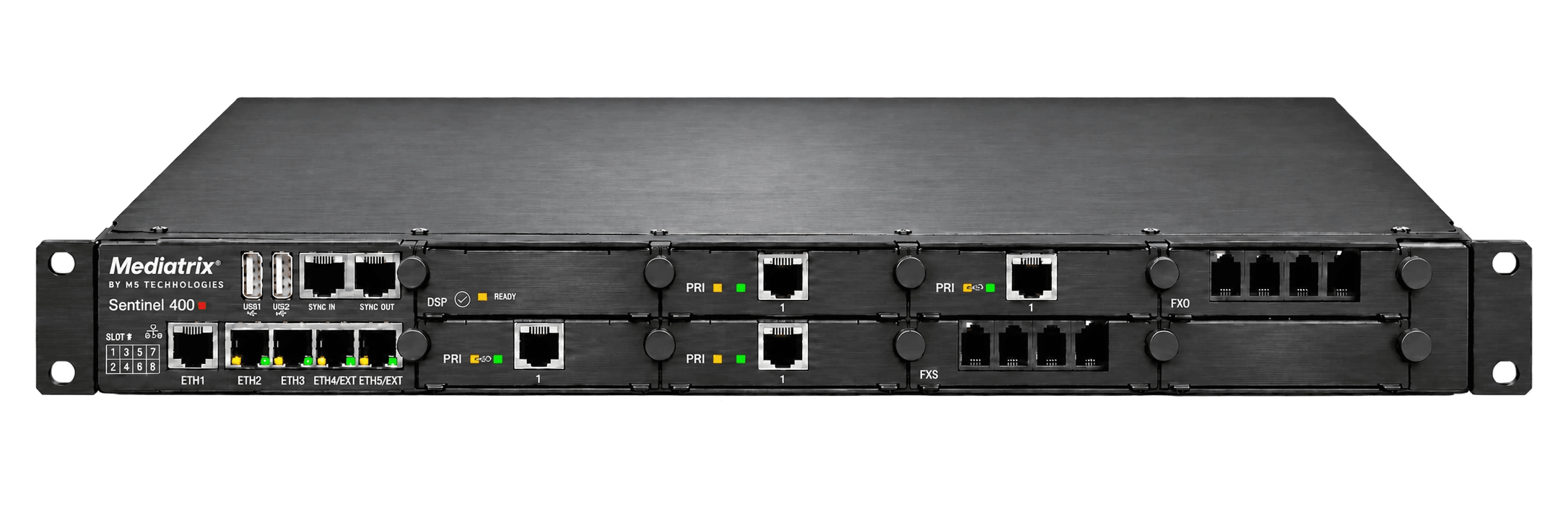
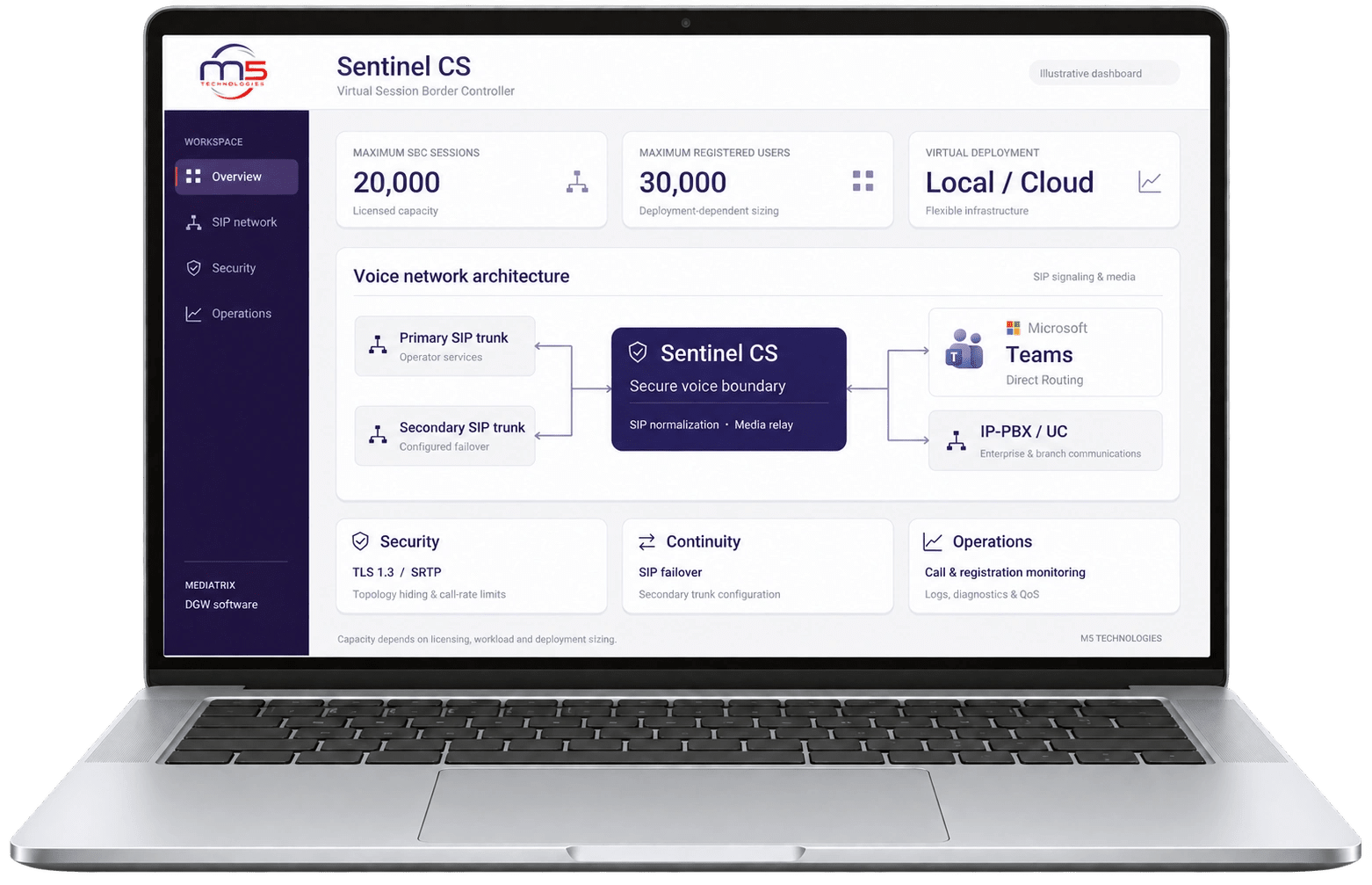
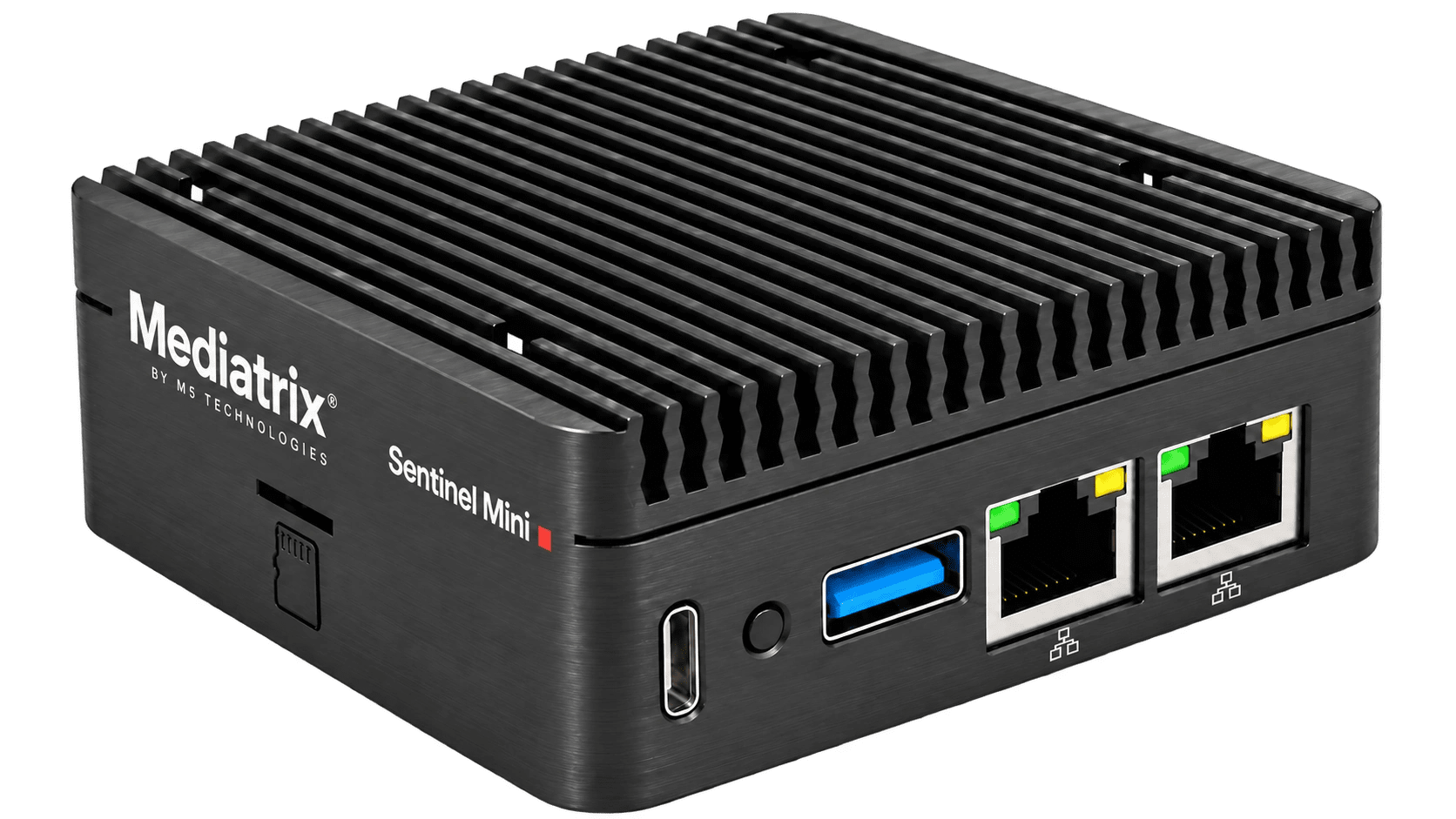
Core platformSentinel CS, Mini, 100 or 400
SecurityTLS, SRTP, topology hiding and certificate management
Legacy interfacesThrough Sentinel or Mediatrix gateway architecture
DOWNLOADS

Brochures and technical documents

Download the PDF files directly. Use the documentation portal for configuration guides, installation procedures and release-specific information.

CHOOSE A PRODUCT

Products to compare

A starting point for your project. Review the model data sheet before ordering.
SOLUTION BLUEPRINT

How Microsoft Teams Direct Routing changes the voice path.

The M5 layer sits between what must be preserved and the destination architecture, making security, translation and failure behavior explicit.

NO PUBLIC INTERNET REQUIRED

Private LAN / isolated IP network

The on-premises PBX, Mediatrix gateways and local endpoints can retain an internal call path. This local path does not become dependent on the public Internet simply because Teams is added.

REQUIRED FOR TEAMS & PUBLIC CALLING

Microsoft 365 and SIP carrier connection

Teams Phone, Direct Routing and calls to the public telephone network require working connectivity to the applicable Microsoft and carrier services. The diagram shows that external path separately.

PRIVATE CUSTOMER NETWORK

Existing PBX

Can coexist during a phased Teams migration.

Mediatrix gateway

Preserves approved analog phones, fax, modems and legacy trunks.

Teams & legacy users

Users communicate across one engineered dial plan during transition.

PRIVATE IP NETWORK / LANLocal SIP signaling + RTP media
INTERNAL
Independent local pathLocal PBX, gateways and extensions can keep communicating even though the cloud route is shown separately.
CONTROLLED EDGE
DIRECT ROUTING

Certified Sentinel SBC

Translates Teams requirements into controlled SIP signaling, media and routing.

EXTERNAL SERVICE NETWORK

Microsoft Teams Phone

Hosts users and calling features in Microsoft 365.

SIP carrier

Provides numbers and public telephone access.

External connectivity is required only for these hosted or public services.
READING THE DIAGRAM

Follow one call from the cloud to the telephone network

Cloud voice platform
Hosts communications services such as Microsoft Teams Phone or CCaaS outside the customer site.
Sentinel SBC
Secures and normalizes SIP between voice domains, controls media and routing, and hides the internal network.
SIP carrier
Connects the organization to the public telephone network and supplies telephone numbers and external call routes.
PBX or call server
Controls extensions, features and call routing. It may run on-site, in a data center or as a hosted service.

Reference flow — carrier, platform, jurisdiction and field requirements determine the production design.

BEFORE / AFTER

Turn an uncontrolled migration into an engineered transition.

Use these checkpoints to evaluate a microsoft teams direct routing project before product selection or cutover.

The recommended design depends on the deployed carrier, PBX or UC platform, interfaces, call volume, failure modes and regulatory context.
Decision areaUncontrolled approachM5 architectureAcceptance evidence
InteroperabilityAssume systems will connectNormalize signaling and media at a defined boundaryDocumented end-to-end call tests
SecurityExpose internal voice domainsApply identity, topology and transport controlsApproved routes, certificates and logs
ContinuityCut over every site togetherPreserve required services and phase migrationFailover, rollback and exception tests
OperationsTreat go-live as the finish lineAssign monitoring, updates and escalation ownershipRunbook, backups and support entitlement
FREQUENTLY ASKED

What to know before the next step.

READY FOR THE NEXT STEP?

Build the right voice architecture.

Share the product, deployment and target outcome. M5 will identify the right technical and commercial path.

Request a free review
PRODUCTS→ PRODUCTS

Sentinel SBC

Sentinel SBC SeriesSentinel Mini SBCSentinel 100 SBCSentinel 400 SBC & GatewaySentinel CS Virtual SBC

Gateways & ATA

Mediatrix 4102 / 4102SMediatrix C7 SeriesMediatrix G7 SeriesMediatrix S7 / S7 LPAudiotrix C2, C4 & C8

Software & OEM

DGW SoftwareM5T SIP Client Engine SDKM5T E-DVAM5T softDSP
SOLUTIONS→ SOLUTIONS

Enterprise Telephony

Microsoft Teams Direct RoutingSecure SIP TrunkingManaged Voice SecuritySecure Voice Edge for AI Agents

Modernization

POTS ReplacementEmergency Calling & NG9-1-1Critical Infrastructure Communications

Embedded & Critical

OEM & Embedded VoiceTactical & Critical CommunicationsTelecom Security for Defence

Operational use cases

Microsoft Teams MigrationPOTS & Analog ReplacementAI-Ready CommunicationsEmergency Calling & NG9-1-1
INDUSTRY→ INDUSTRY

Public & Critical

GovernmentDefenceCritical InfrastructureUtilities & Energy

Transportation

Airports & AviationRail & Transportation

Enterprise

Banking & Financial ServicesHealthcareEducationHospitalityTelecom Operators & MSPs
RESOURCES→ RESOURCES

Documentation

Documentation CenterKnowledge CenterDGW FirmwareRelease NotesConfiguration GuidesConfiguration NotesHardware Installation GuidesProduct Data SheetsTechnical Bulletins

Learn

What is SIP?What is an SBC?TLS & SRTP ExplainedSecurity & Trust Center

Support & Services

Technical SupportDGW License CenterLicense SupportDGW Firmware & Update AccessMSA Maintenance PlansTraining & CertificationProduct WarrantyRMA Policy & Procedure

Company

Why M5 TechnologiesAbout M5 TechnologiesAwards & CertificationsPartners
REQUEST A FREE REVIEWTechnical support

Cookie settings

Essential cookies keep the site and cart working. You can accept or decline optional analytics and marketing cookies.